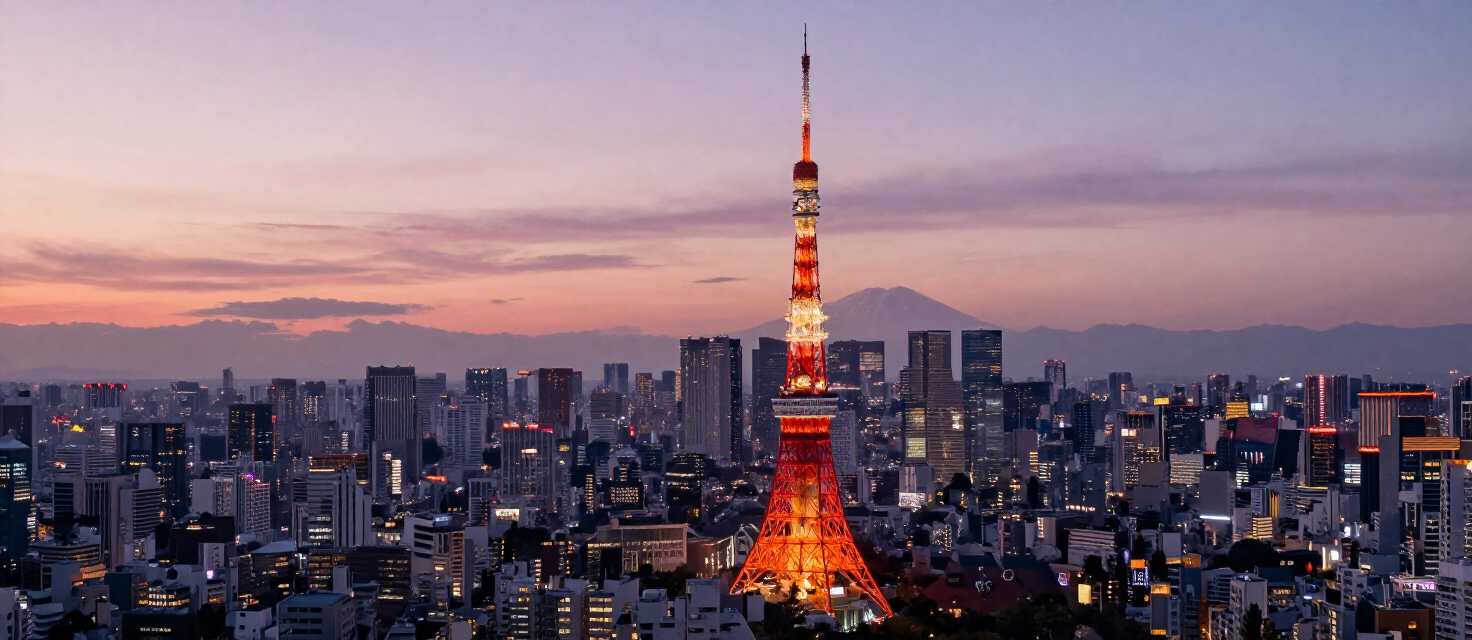
Why a little planning transforms a Tokyo trip
Tokyo rewards preparation more than almost any city — not because it is difficult, but because it is vast and its systems (trains, payments, etiquette) run on quiet conventions a visitor can easily miss. A few decisions made in advance — an IC card, a rough district plan, a booked attraction or two — free you to enjoy the city rather than navigate it.
You can compare and book Tokyo tours directly with our partner GetYourGuide, browse our cultural tours for guided walks, or see the full Tokyo things‑to‑do guide for the wider picture. For official destination information, see the Japan National Tourism Organization.
Getting around Tokyo: trains, IC cards and the JR Pass
Tokyo's rail and subway network is the backbone of the city, and almost every attraction is a short walk from a station. Buy a Suica or Pasmo IC card (or load the digital version on your phone) and tap through every train, bus and convenience-store payment without thinking about tickets. The JR Yamanote loop line connects most major districts in a single circle.
A Japan Rail Pass only pays off if you are travelling between cities — for Tokyo-only trips, a regional pass or a plain IC card is better value. Avoid the morning and evening rush on the Yamanote if you can; the cars get genuinely packed.
When to visit Tokyo: seasons and what to expect
Spring (March to April) brings cherry blossoms and the city's busiest season — book accommodation well ahead. Autumn (October to November) is the sweet spot: mild weather, clear skies and vivid maple colour. Summer (June to August) is hot, humid and rainy in June, but lively with festivals. Winter (December to February) is crisp, quiet and the best value, with clear views of Mount Fuji on cold mornings.
Money and payments in Tokyo
Japan is increasingly card-friendly, but cash still rules at small restaurants, temple stalls and rural stops. Withdraw yen at a 7-Eleven or FamilyMart ATM on arrival — they accept most foreign cards and have English menus. IC cards double as electronic wallets for small purchases, and many attractions now accept IC, card or QR payment.
Tokyo etiquette: the small things that matter
Do not eat while walking — it is frowned upon, even with street food. Queue on the platform markings, stand on the left on escalators (the right in Osaka), and keep your voice low on trains, where phone calls are not done. Remove shoes at temples, ryokan and many restaurants when asked, and carry a small towel, as public restrooms rarely provide hand dryers.
Language and getting by without Japanese
You can travel Tokyo with very little Japanese — station signage and menus in tourist areas are increasingly in English, and translation apps handle the rest. Learn a few phrases (sumimasen for “excuse me”, arigatō for “thank you”) and point at plastic food models or picture menus. A guide removes the language barrier entirely on food and cultural tours.
Staying connected: Wi-Fi, SIM and pocket Wi-Fi
Free Wi-Fi is common at stations, cafés and convenience stores, but a data SIM or a pocket Wi-Fi rental gives you maps, translation and train times everywhere. Pick up a SIM at the airport or reserve a pocket Wi-Fi for delivery to your hotel — the latter is ideal if you are travelling as a group and want several devices on one plan.
How many days do you need in Tokyo?
Four to six days is ideal — enough to cover the headline Tokyo attractions, take a food tour and a cultural tour, and add one day trip without rushing. Three days is a workable minimum if you group sights by district; anything less and you will only scratch the surface.
Practical tips for first-time visitors to Tokyo
Carry a small towel and a coin purse (change piles up fast); keep cash for small stalls; reserve seats on limited-express trains in peak season; and build in one unscheduled day — Tokyo's best moments are often the unplanned ones. Train schedules, pass prices and attraction hours change, so confirm current details with your provider before you travel.
When you are ready, every Tokyo tour on our site is bookable directly with GetYourGuide, with free cancellation on most experiences. For the city's sights, our Tokyo attractions guide covers the top temples and viewpoints, our Tokyo cultural tours guide dives into tea ceremonies and crafts, and our Tokyo day trips guide rounds up escapes like Hakone and Nikko.
General travel guidance only. Prices, opening hours, ferry and train schedules, ticket availability and operating days change frequently and vary by season — always confirm current details directly with the tour provider or official site before you travel.
Browse Tokyo tours & experiences
Book directly with GetYourGuide — our trusted partner for skip‑the‑line tickets, local guides and day trips in Tokyo.
Read the Tokyo travel guide