Affiliate disclosure: some links on this page are affiliate links. If you book through one, World Tours Centre may earn a small commission from the qualifying purchase — at no extra cost to you. Prices are set by the partner and never marked up by us.
Brazil
Best Things to Do in Rio de Janeiro
Looking for the best things to do in Rio de Janeiro? We've gathered 3 experiences covering the best attractions Rio de Janeiro is known for — tours in Rio de Janeiro, food walks, cultural highlights and Rio de Janeiro day trips — every one bookable directly with GetYourGuide, our trusted partner for skip-the-line tickets and local guides.

Beaches
Copacabana, Ipanema and the beach culture of Rio

Rio’s beaches are not scenery — they are the city’s living room. Copacabana, the four-kilometre arc of sand and mosaic promenade, is the famous one, where football, volleyball and caipirinhas flow from dawn to dark. Ipanema, just around the headland, is the more fashionable stretch, backed by the Dois Irmãos mountains and divided into postos that mark different crowds and music.
Rent a beach chair, buy a mate tea or an açaí from a passing vendor, and settle in for the day. For the full planning walkthrough, see our Rio travel guide.
Cultural sites
Santa Teresa, the Selarón Steps and the favelas
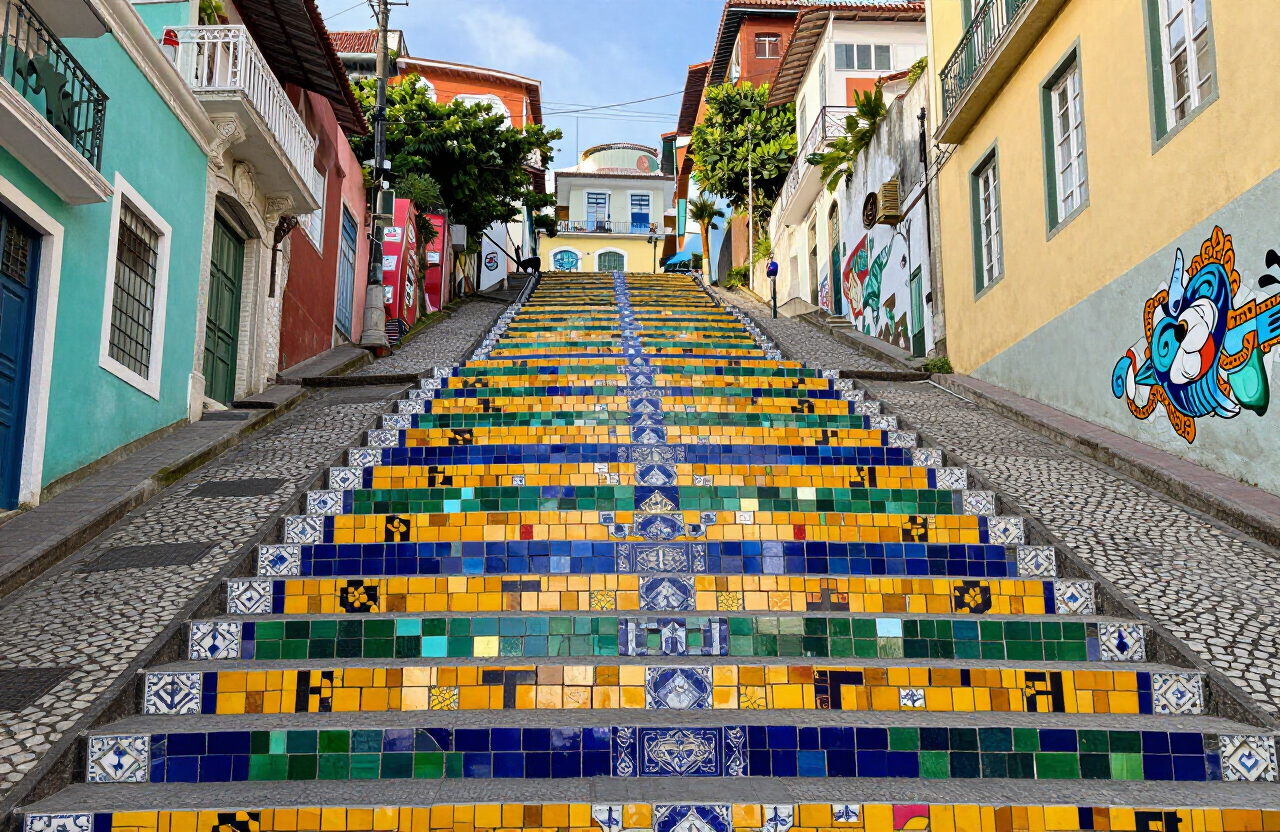
For culture away from the beach, the hillside neighbourhood of Santa Teresa is Rio’s artistic quarter — cobbled lanes, colonial mansions and street art, anchored by the Selarón Steps, a staircase tiled in thousands of coloured ceramics by the artist Jorge Selarón. Below it, Lapa is the nightlife district, where samba clubs spill into the streets on a Friday night.
A responsible, community-led favela tour is one of the most eye-opening things to do in Rio — a genuine exchange rather than a voyeuristic drive-by. Many of our Rio tours partner directly with local social projects.
Adventure tours
Hang-gliding, hiking and the Tijuca rainforest

For the adventurous, Rio is one of the great cities to hang-glide — launching from Pedra Bonita to land on the beach at São Conrado, with the whole city spread below. It is a bucket-list adventure tour for travellers who want their Rio attractions served with an adrenaline rush, and tandem flights with experienced pilots are available to beginners.
Tijuca, the largest urban rainforest in the world, wraps around the city’s mountains and offers guided hikes to Pedra Bonita or Tijuca Peak — toucans, monkeys and views that stretch to the ocean. Browse our adventure tours hub to compare outdoor experiences worldwide, or open the full Rio travel guide for planning tips.
Frequently asked questions
Rio de Janeiro travel FAQ
What are the top things to do in Rio?
Christ the Redeemer atop Corcovado, the Sugarloaf Mountain cable car at sunset, Copacabana and Ipanema beaches, and a guided favela tour headline most first visits. Pair them with a Tijuca rainforest hike or a Lapa samba evening for a well-rounded trip.
What are the best Rio tours?
A skip-the-line Christ the Redeemer tour handles the timed-entry tickets and the cog-train queues, while a Sugarloaf and city sightseeing tour bundles the two headline viewpoints into a single day. Many Rio tours add a favela walk or a beach and neighbourhood tour, which is the most efficient way to cover several highlights without the logistics stress.
Where are the best beaches in Rio de Janeiro?
Copacabana, the four-kilometre arc of sand and mosaic promenade, is the famous one, where football, volleyball and caipirinhas flow from dawn to dark. Ipanema, just around the headland, is the more fashionable stretch, backed by the Dois Irmãos mountains and divided into postos that mark different crowds. Rent a beach chair, buy a mate tea or an açaí from a passing vendor, and settle in.
What cultural sites should I not miss in Rio?
The Selarón Steps in Santa Teresa, a staircase tiled in thousands of coloured ceramics, the hillside colonial lanes and street art of the Santa Teresa neighbourhood, and the samba clubs of Lapa after dark are the cultural highlights. A responsible, community-led favela tour is one of the most eye-opening things to do in Rio and a genuine exchange rather than a voyeuristic drive-by.
What adventure tours can I take in Rio?
Rio is one of the great cities to hang-glide — launching from Pedra Bonita to land on the beach at São Conrado with the whole city spread below. A guided hike through the Tijuca rainforest to Pedra Bonita or Tijuca Peak offers toucans, monkeys and ocean views, and ranks among the most rewarding adventure tours in the city for travellers who want nature with their Rio attractions.
Is a favela tour in Rio worth it?
Done well, yes. A responsible, community-led favela tour run with and by local guides takes you into a community like Santa Marta or Vidigal to walk the lanes, hear the history and meet the residents who shape the neighbourhood. Choose tours that are community-led and that leave revenue in the favela, and avoid the open-jeep tours that treat residents as a spectacle.
How many days do I need in Rio?
Four full days is a comfortable minimum — enough to see Christ the Redeemer and Sugarloaf, spend a day on the beaches, take a favela or Santa Teresa tour and fit in one adventure such as a Tijuca hike or a hang-glide flight. Add a fifth day for a second adventure or a Lapa samba evening if you want to see more of the city.
What is the best time to visit Rio de Janeiro?
Summer (December to March) is hot, humid and beach-perfect, with Carnival usually falling in February — the most spectacular but most crowded time to visit. Spring (September to November) and autumn (April to May) are milder and quieter, while winter (June to August) is crisp, dry and clear, with the best visibility for the views from Corcovado and Sugarloaf.
Explore Rio tours
Every Rio tour above is bookable directly with GetYourGuide — skip-the-line tickets, local guides and free cancellation on most experiences. Ready to dive deeper? Open the full Rio travel guide.
Related guides
More on Rio de Janeiro
Explore by experience type